
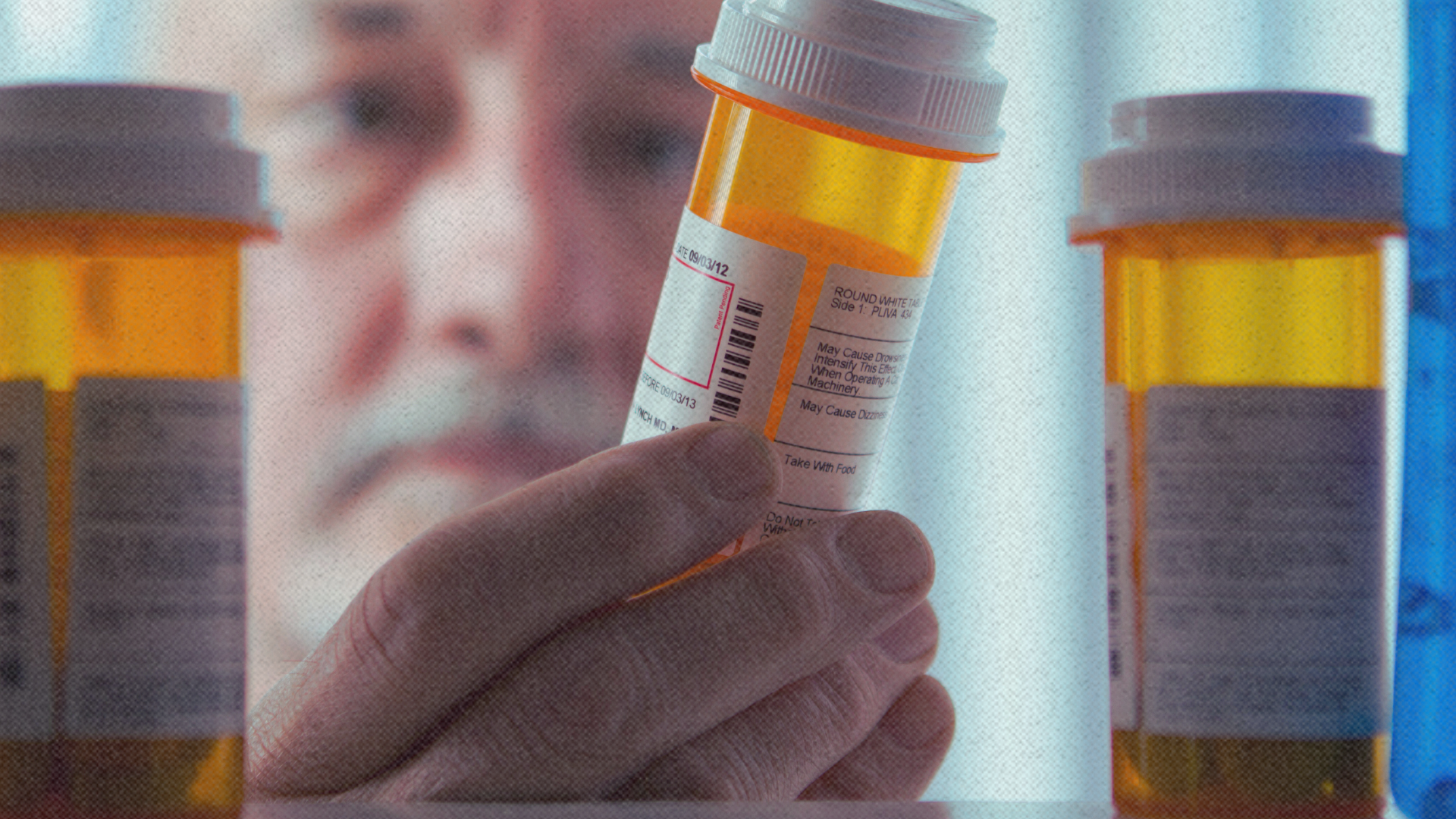
What started as a well-meaning safety net program has morphed into yet another federal case study in unintended consequences: a drug discount program that lets billion-dollar hospital systems exploit discounts meant for the poor while rural emergency clinics are left to fail. The 340B Drug Pricing Program is a classic example of how a good idea—helping the poor access medicine—gets hijacked when government intervention meets bad incentives and zero accountability.
The 340B program was created after the Medicare Best Price Rule inadvertently eliminated charitable drug donations. Previously pharmaceutical companies had donated or provided discounts for medicine as charity for hospitals serving poor communities. However, once instituted, the rule required drug companies to sell medicine to Medicare at the lowest charitable rates. Any company that had previously donated medicines would be required to charge Medicare $0 if they continued to donate.
Read full article here
Justin Leventhal is a senior policy analyst for the American Consumer Institute, a nonprofit education and research organization. For more information about the Institute, follow us on X @ConsumerPal.