
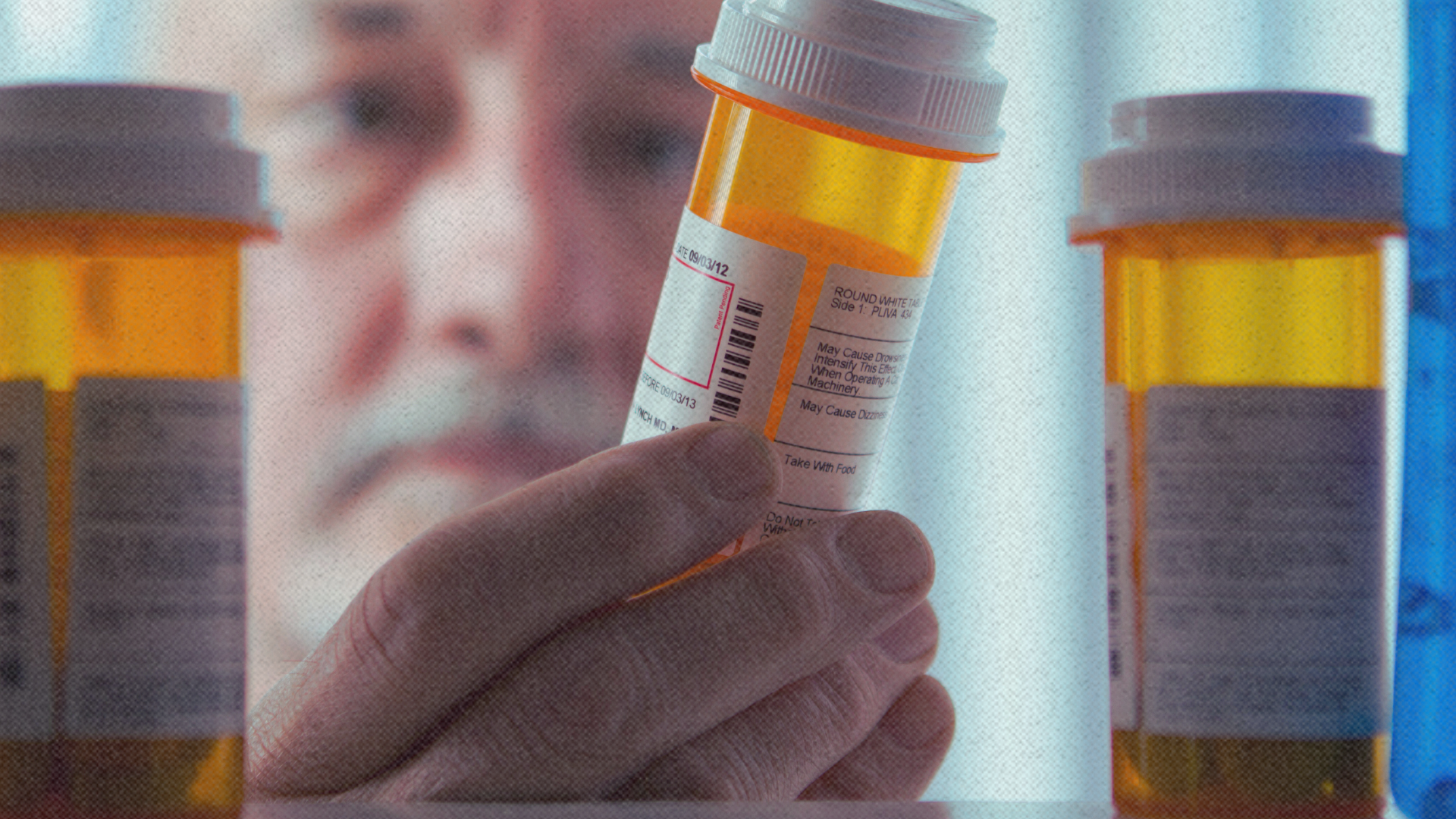
A program meant to help the poor afford medicine should not be funding healthcare in wealthy ZIP codes. Yet that’s exactly what’s happening under the current 340B Drug Pricing Program which has drifted miles off course from its intended aim. Hospitals have turned 340B into a revenue stream rather than a safety net. Without bold, targeted reform, 340B will remain yet another well-intentioned program hijacked by those who need it least.
The 340B program was created in 1992 to help healthcare providers serve vulnerable populations by allowing them purchase drugs at deep discounts of 25 to 50 percent. The motivation for the program was to address the unintended consequences of the Medicare Best Price rule, which effectively ended charitable drug donations and discounts manufacturers previously provided. In response to the damage caused by its own policy, Congress created the 340B program.
As is so often the case with federal programs,340B grew far beyond its original intent. Today, instead of serving low-income patients, the program has become a cash grab for hospitals who are not required to, and often do not, pass savings on to patients or even report how the savings are used. With a new revenue stream in sight, hospitals have expanded their satellite locations into affluent areas where patients are unaware they received discounted drugs, because they never see the savings themselves.
Hospitals’ practice of obtaining drugs at a discount through 340B, administering them at full price, and then billing insurers (including Medicare) at market rates—pocketing the difference—is known as spread pricing. The result is that savings intended for the most vulnerable Americans become pure hospital revenue.
The expansion of eligible hospitals and satellite locations was facilitated by the Medicare Prescription Drug, Improvement, and Modernization Act of 2003 which extended 340B eligibility to hospitals with high shares of Medicaid and Medicare-enrolled patients— Disproportionate Share Hospitals (DSHs). However, this metric measures how many government-insured patients there are, not the number of uninsured or indigent patients in need of help. As a result, a larger urban hospital can qualify for 340B by taking treating fully-insured Medicare patients, while Rural Emergency Hospitals treating a high portion of uninsured patients don’t qualify. The people most in need are shut out.
While Rural Emergency Hospitals struggle, many hospital satellite locations in affluent areas are included in the program. Between 2000 and 2020, this loophole helped fuel the explosion of 340B-affiliated entities from 8,100 to 50,000, including hospitals, outpatient facilities, and contract pharmacies. This trend was supercharged by the Affordable Care Act, which allowed hospitals to contract with multiple outside pharmacies instead of just one. By 2021, only 38 percent of DSHs were in located in medically underserved areas. The abuse is so widespread, it’s become standard practice.
With the program so far removed from its original mission, Congress must step in to get it back on track. One solution would be to link the savings directly to patients instead of hospitals so low-income and uninsured patients receive the benefits directly, regardless of where they receive care.
Short of that, Congress must enforce transparency and accountability. Requiring hospitals to report when 340B is used and how much of the savings are passed on to patients would discourage abuse and expose unnecessary use in higher-income areas.
Finaly, Congress should act immediately to include Rural Emergency Hospitals in the 340B program and replace the current eligibility metric based on Medicare/Medicaid enrollment with one that explicitly prioritizes uninsured, indigent, and low-income patients.
As long as 340B discounts are structured to incentivize hospitals to focus on insured people in well-off areas, the program will continue to fail many Americans in need of help affording medicine. These reforms would refocus the program on its original mission: reducing medicine costs for the Americans who need help the most—not padding hospital profit margins.
Read the original article here.
Justin Leventhal is a senior policy analyst for the American Consumer Institute, a nonprofit education and research organization. For more information about the Institute, follow on Twitter (X) @ConsumerPal.