
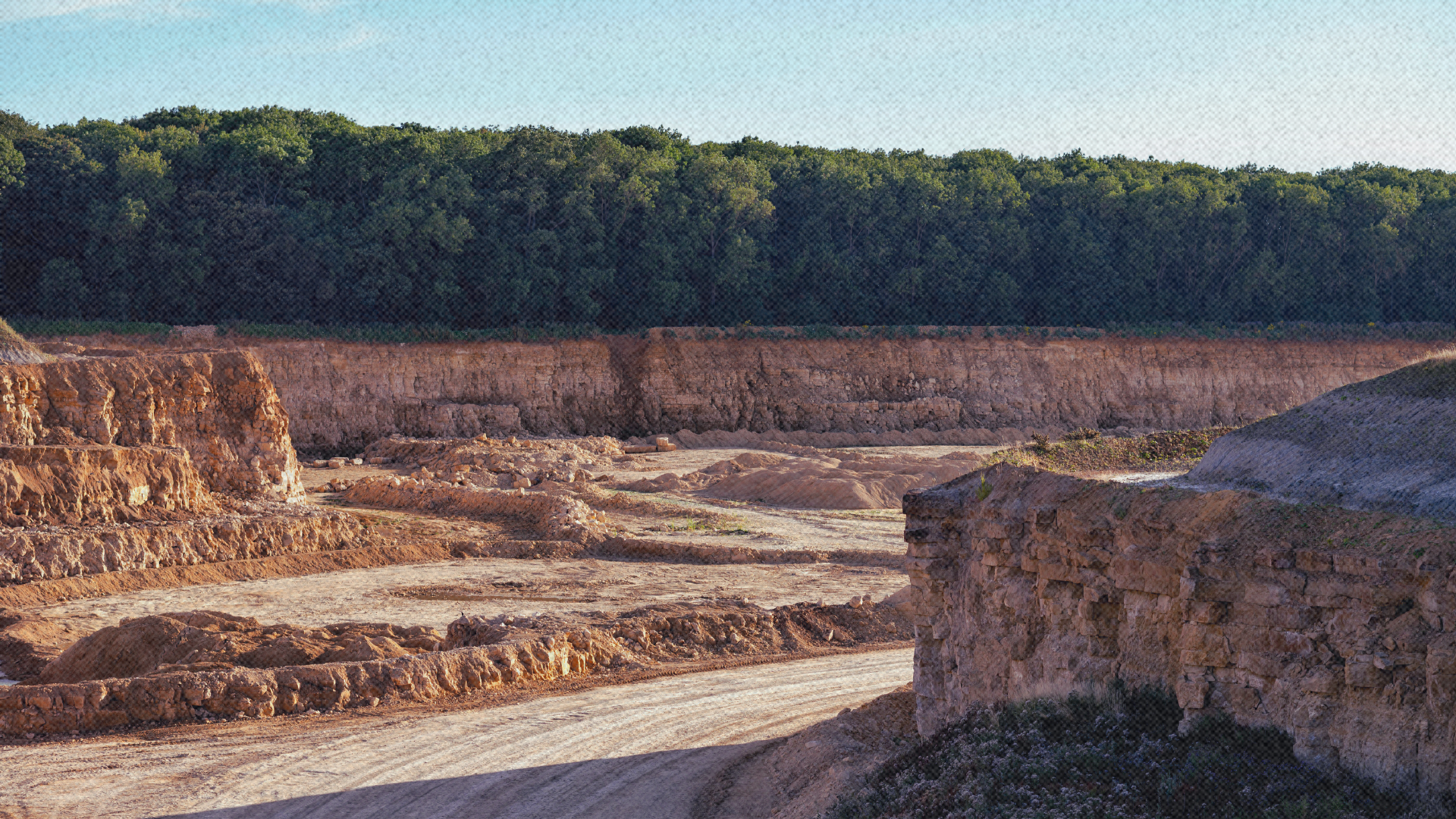
As one of the top mineral-rich countries in the world, the U.S. is still woefully unprepared to meet its critical minerals needs. Ironically, while demand for minerals has spiked over several decades, domestic production has dwindled, leaving us vulnerable and dependent upon foreign nations. Misguided policy decisions have cost America its status as the world leader in mining production. Immediate action must be taken to course correct and revive the U.S. mining industry; our future energy and national security depend on it.
China currently dominates the rare earth elements (REE)—specific minerals used for high-tech commodities—value chain, producing at least 70 percent of global supplies. This supremacy gives them a significant advantage and stranglehold over the global economy. China’s recent announcement to further restrict exports of REEs puts the rest of the world on tilt.
REEs are vital to electric vehicle batteries, advanced military weaponry and technology, cell phones, medical devices, wind turbines, and other technologies. Many of these consumer goods not only benefit or raise our standard of living but are essential components to a functioning and competitive society, and in some cases, our very survival.
Our dominance in mining shifted when the U.S. began to deprioritize it in the mid-1990s by terminating the Bureau of Mines and ending the commission’s 85-year stint as the lead agency on mining, mineral processing research, conservation, technology development, and worldwide forecasting. In 1983, roughly 950 metal mines existed throughout the country; in 2023, that number shrank to below 300. More than $6 trillion worth of domestic mineral reserves remain under our feet, yet America opened its first REE mine in 70 years only four months ago.
Several mining associations and trade groups hope to revive the Bureau to reconsolidate the functions that were dissolved or farmed out after its demise. Resurrecting a centralized authority or framework could streamline operations and advance initiatives and may even assist in obtaining the necessary permits to perform mining activities.
From concept to actuality, opening a mine in America takes approximately 29 years, a permitting timeframe which puts the U.S. in second to last place. Burdened by complex and lengthy environmental impact statements in addition to oppressive litigation, the process is long overdue for reform. The web of regulatory red tape and potential legal obstacles impede mining development through delaying construction and hindering investment.
If more land were transferred from federal control to state ownership, much of the permitting headaches could be minimized or avoided. Opening a mine on state-run territory only takes two to three years. And yet, the national government unnecessarily owns more than 25 percent of the nation’s real estate, most of which lies in the West. Rich in mineral deposits, this region remains locked up by bureaucratic statutes. Shifting ownership to local jurisdictions could unravel some of the regulatory knots impeding critical mineral development.
Not mining domestically in the U.S. and allowing China to fulfill global needs inflicts greater negative environmental impact. The two nations are polar opposites in terms of ecological stewardship: America maintains the highest of standards while our adversary ranks high as a polluter with an appalling record of human rights abuses. Shifting significantly more production here would reduce emissions, pollution, and environmental damage.
In response to China’s actions, President Trump signed an $8.5 billion agreement with Australian Prime Minister Albanese to further develop rare earth projects in the Land Down Under. Certainly a strategic side-step to China’s tight grip on critical minerals, striking deals with the Aussies is not a permanent solution. It is merely a band-aid to the bigger issues at hand: The broken public policies surrounding our mining industry.
Working with our allies is crucial and will serve some immediate and short-term needs. But long-term solutions that promote domestic mineral mining will be the game changer. Lawmakers, executives, and judicial arbiters at all levels need to work to free up more land and expedite the mining process within our own borders. Restricting and underutilizing the bounteous resources bestowed upon our soil is irrational, irresponsible, and unwise.
The answer to our critical minerals deficits is multifaceted: Streamline permitting, reduce federal land holdings, and resurrect a federal bureau of mining. Resolving this self-inflicted mining crisis requires immediate and decisive action.
Kristen Walker is an energy policy analyst for the American Consumer Institute, a nonprofit education and research organization. For more information about the Institute, visit www.theamericanconsumer.org or follow us on X @ConsumerPal.