
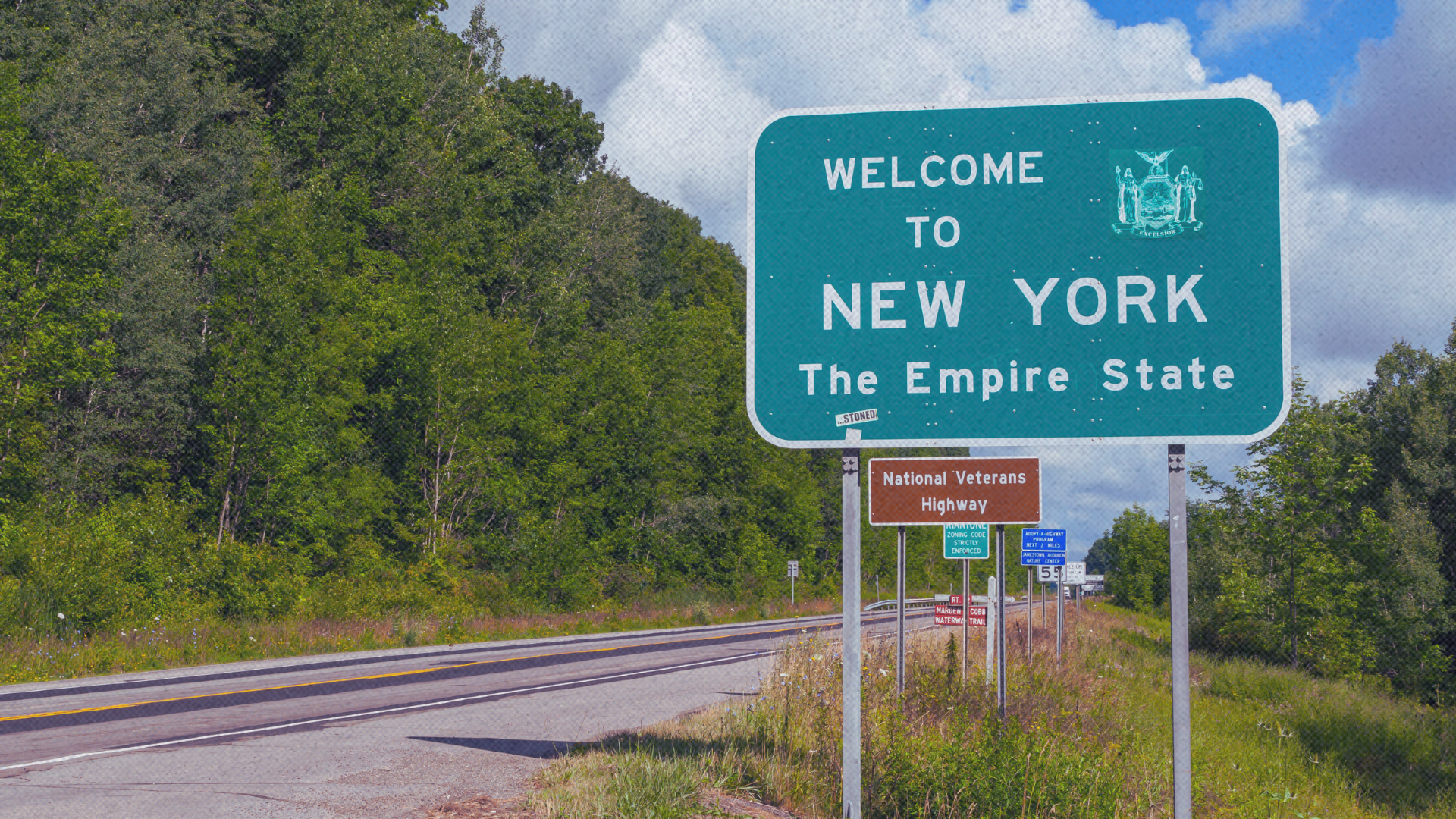
New York has been getting a lot of attention for bad policy ideas, but this time, they might actually be on to something. This year, Governor Kathy Hochul (D-NY) has been touting changes for New York’s out-of-control auto insurance rates. At a recent event, she even praised Florida for their effective reforms saying, “[And] I have to admit this, I don’t usually follow the lead of Florida—but this is one area where they took a serious look at what was driving up their high insurance rates.” Florida’s fraud, like New York, was driving high insurance rates through staged accidents and medical schemes. Florida tackled a part of these issues through legal reforms that closed loopholes in their legal structure and New York should follow suit.
New York ranks fourth in the nation for the highest auto insurance expenditures, averaging $1,935 per household. According to the Insurance Information Institute (Triple-I), New York’s most costly insurance increases stem from accidents. Within this category, New York ranks third in the nation for injury claim costs and eighth for accident frequency. New York had some of the highest staged accidents in the nation at 1,729 in 2023. These factors increase insurance costs for the consumer.
New York, like Florida, is a no-fault auto insurance state. At a basic level, this means fault is not determined by the insurance company before payments are made after an accident. No-fault has its advantages—quicker payments from insurance companies after an accident. But if the legal system is not set up to support a no-fault structure by preventing unnecessary litigation and exploitation, then it leads to higher insurance costs.
This is why Florida’s reforms are a guide for states like New York who struggle with many of the same cost drivers. Florida has been successful because they determined the root cause of rate increases and tackled them through meaningful reform.
One way Florida did this was by passing a legal reform bill in 2023 closing loopholes in their legal system. The bill prevents lengthy civil litigation and frivolous lawsuits by changing their one-way attorney fee structure which previously allowed insureds to recover these costs. It updated terms for bad faith claims adding additional requirements for insureds and holds insurers to a time limit in responding to claims reducing excessive litigation against insurers. It also allows for transparency in medical costs presented to juries for recovery of damages to understand actual medical costs.
In part due to these reforms, Florida’s Governor Ron DeSantis announced last October that there have been rate reductions of up to 6.5 percent and that one insurance company has already been passing down savings to consumers through credits.
But Hochul’s first action may be getting the legislature on board. Hochul has already had to veto bills that would drive up costs for insurers by expanding damages for wrongful death lawsuits generating higher costs for consumers. Legal reform in Florida required lawmakers to work together to pass meaningful legislation, the same will be needed in New York.
For Hochul to praise Florida, as she said, was unusual, but Florida’s reforms and effective results have caught the attention of the nation for their success in driving down costs for the consumer. Florida’s efforts for legal reform— updating bad faith insurance claims, limiting their one-way attorney fee structure, and changing their negligence system to modified comparative negligence—have created a better legal environment and protect the advantages of the no-fault system of insurance reducing insurance costs for everyone. Consumers could use more money in their pockets.
Leah Locke is a policy analyst with the American Consumer Institute, a nonprofit education and research organization. Follow Leah on X @leahmlocke.