
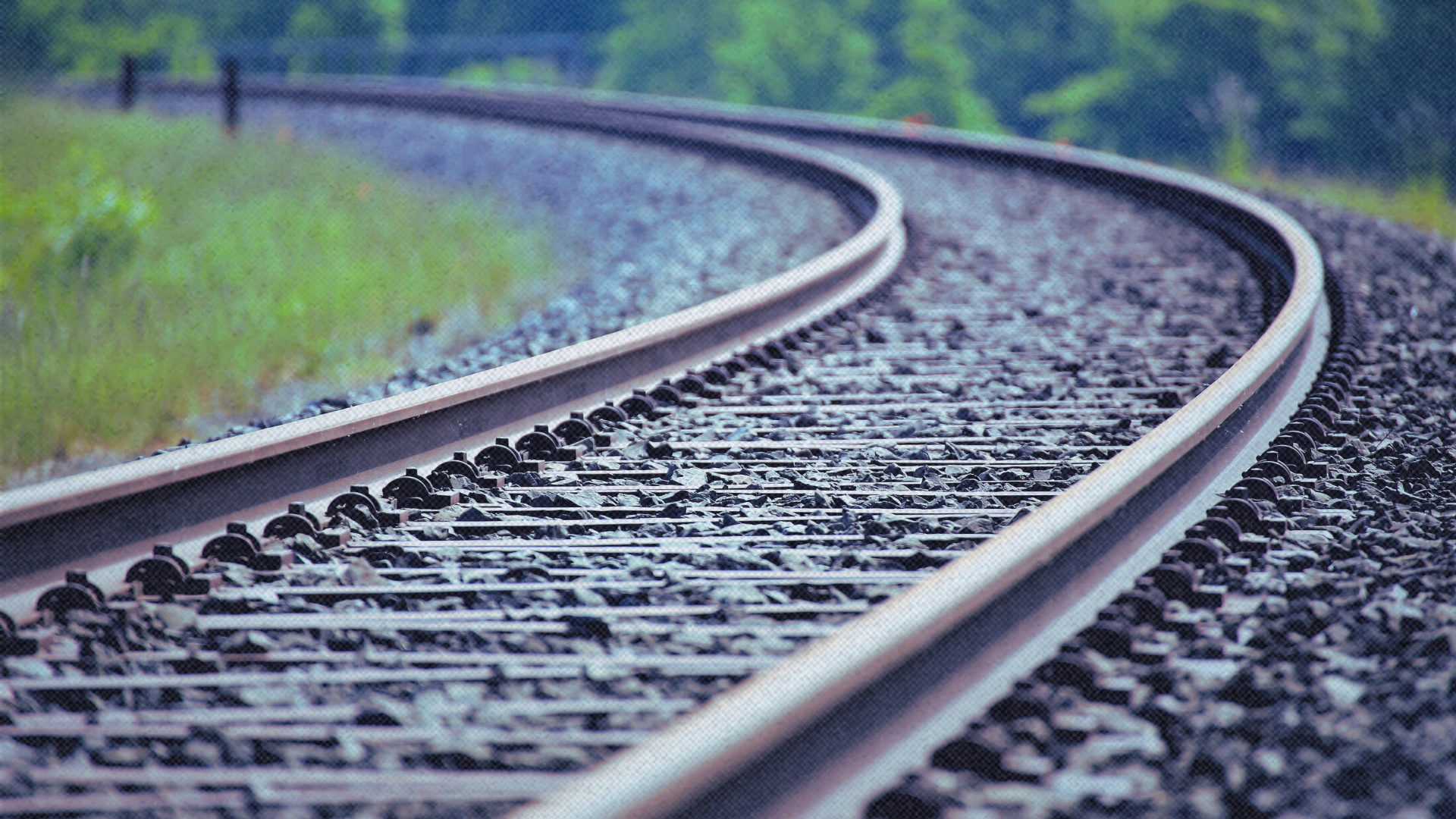
Abraham Lincoln envisioned a country united by rail; this dream could become a reality with the upcoming proposed merger between Union Pacific (UP) and Norfolk Southern (NS). The acquisition would connect more than 50,000 route miles across 43 states and link approximately 100 ports.
Eliminating major structural inefficiencies in the current rail network would reduce delays, cut inventory costs, and make rail more competitive with trucking, ultimately translating into lower logistics costs and improved affordability for consumers. The merger would enhance freight transport and improve supply-chain productivity.
Currently, long‑haul freight moving from coast to coast must be handed off between railroads at inland junctions. Each interchange introduces idle time in yards, crew changes, paperwork and scheduling delays, and additional handling of cars and containers. A single‑line transcontinental railroad would remove many of these chokepoints which would eliminate approximately 2,400 wagon and container handling operations. The benefits are numerous.
Eliminating interchanges opens new routes and expands intermodal services, offering a more comprehensive freight service. Fewer train handoffs between carriers create faster transit times, shaving days off freight shipments. On-time performance is significantly improved.
Decreased travel times will scale down inventory carrying costs, which are estimated to be 25 percent of a good’s value. Trimming the various expenses of storage and warehousing, labor, insurance, taxes, and depreciation, will lower a shippers’ operating costs.
Removing connection points also reduces theft. Immobilized freight awaiting transfers in shipping yards is at risk because it creates heist opportunities. Since a large portion of cargo theft occurs at these points, a single rail service omits carrier switching and decreases stolen freight, which in 2024 exceeded $100 million.
A single rail network would benefit the electric grid through increased shipment reliability of coal, which still generates a significant portion of U.S. electricity. Producers depend heavily on rail to transport 70 percent of the coal used by American power plants. More efficient delivery will ease electric grid strains expected as data centers, artificial intelligence, and domestic manufacturing create increased demand.
The merger will allow rail to more competitively compete with trucking, which currently dominates the freight shipping market with a share of 73 percent. Not only would transit times and other logistics improve but analysts predict a combined UP-NS network could lower rail rates by 5-10 percent in some routes.
Some estimates project rail could pull five to eight percent of truckload freight volume off the highways over the next three to five years, or two million truckloads annually. Transferring freight from trucks to rail reduces highway congestion, wear-and-tear on taxpayer funded roads, and global emissions.
Rail’s resiliency over inflation also gives it an advantage over trucking. One study found that a 10 percent increase in trucking costs correlates with a 2.3 percent rise in goods inflation, while equivalent rail cost increases produce just 0.7 percent inflation impact, or three times lower. Trucking cost shocks hit consumer prices rapidly and persist; rail cost changes remain smaller, slower, and fade more quickly.
Even with numerous advantages, not everyone is on board.
Past mergers that came with bumps and bruises have caused many to express misgivings and apprehensions with the UP-NS union. Concerns are valid. But unlike previous mergers, this particular acquisition will combine two already-strong railroads that connect end-to-end networks rather than consolidate overlapping ones.
With no need to alter many routes or terminals, the biggest change will be a streamlined experience with reduced service disruptions. The advancement of today’s technology will additionally assist in smooth transitions, catching potential glitches before they erupt or before they even arise.
A unified UP and NS network streamlines the transcontinental rail system. By removing structural bottlenecks, cutting transit times, lowering inventory and fuel costs, reducing risk, shifting more freight from truck to rail, and stabilizing freight-related inflation pressures, the merger has the potential to strengthen the entire supply chain from producer to end-consumer.
These actions will lower shipping prices, which will reduce costs on thousands of consumer goods, helping millions of households save money and squeeze more out of their budgets. Moving freight more efficiently and affordably will keep domestic manufacturing competitive by powering industries, connecting communities, and delivering materials used by businesses. It will keep America competitive in global markets that rely on fast and effective service.
A single-line transcontinental railroad could become a powerful engine of affordability, efficiency, and economic resilience at a time when all three are needed.
Kristen Walker is Senior Policy Analyst and Manager for Energy and Transportation with the American Consumer Institute, a nonprofit education and research organization. Follow ACI on X @ConsumerPal.