
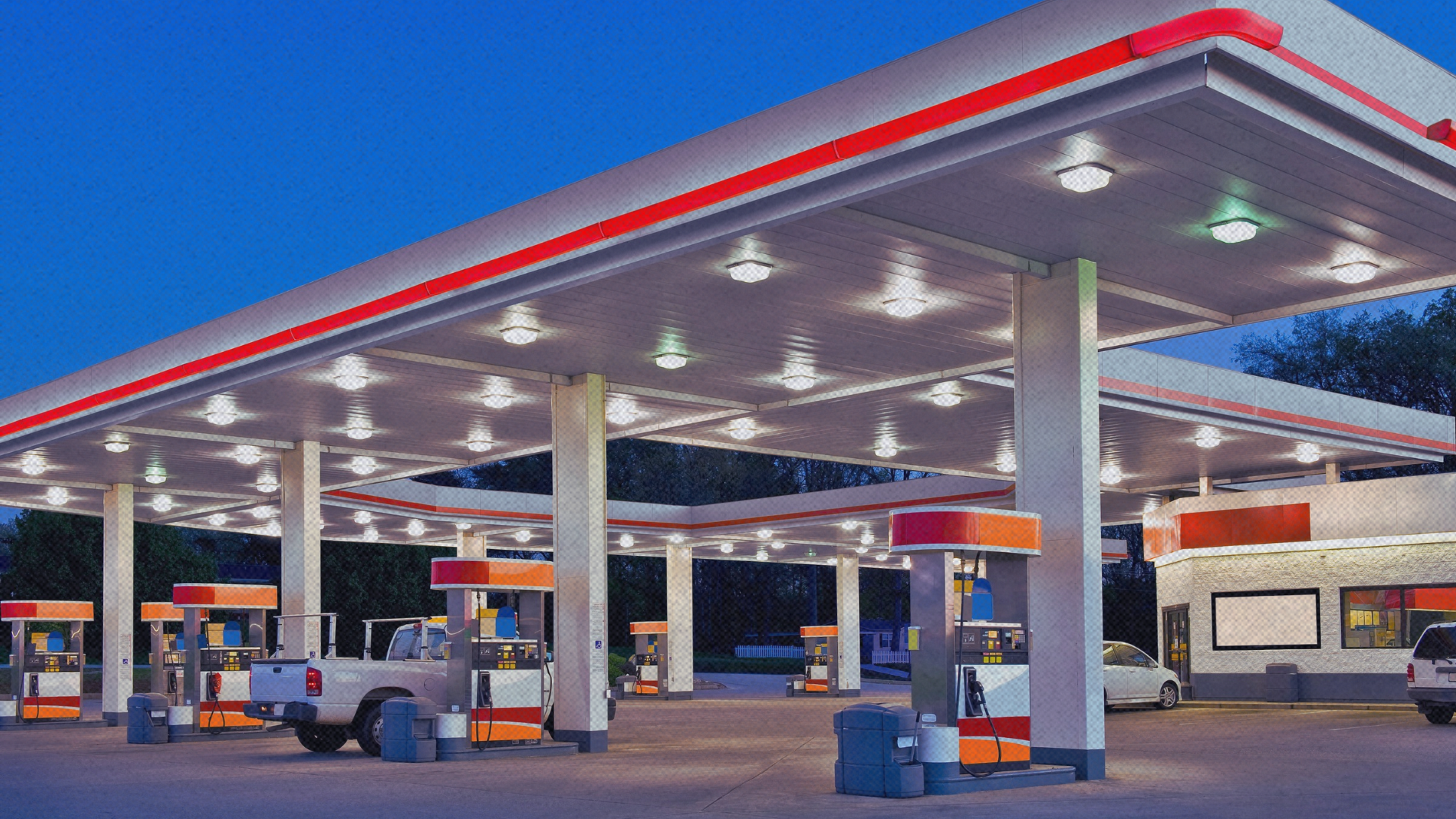
Pain at the pump is felt from coast to coast, and consumers understandably want reprieve. Short-term solutions are being floated: a federal gas tax holiday, state-level gas tax exemptions, or suspending the Renewable Fuel Standard. President Trump just signed an executive order to temporarily allow the use of tax-exempt, red-dyed diesel on public highways through the end of 2026.
While these may be worthwhile quick fixes to immediately ease soaring gasoline and diesel prices, we should be looking at long-term antidotes. We need to repair the mechanisms that impede an efficient flow of petroleum products; these barriers heighten our vulnerability to price shocks.
A major hurdle is infrastructure expansion. Building in America is extremely difficult, especially anything energy-related. This needs to change; we have an opportunity to make that happen.
It’s clear that geopolitical factors are impacting gas prices. The Strait of Hormuz closure is choking off approximately one-fifth of global supplies. Ukrainian long-range drone and missile strikes have disabled over 40 to 50 percent of Russia’s oil refining capacity, straining Western markets. Since oil is globally traded, international conflicts affect supply and demand.
The U.S. may produce more oil than any other country, but logistical roadblocks keep us from meeting our own needs.
We primarily produce light, sweet crude oil. Many of our refineries—built between the 1940s and 1970s—were designed to handle heavy, sour crude (coming from countries like Venezuela, Mexico, and Canada). At the time, the economics of the global oil market made it the smartest long‑term investment. Heavy crude was cheaper, abundant, and required specialized equipment that gave U.S. refiners a durable competitive advantage. The abundance in light crude arrived after these refineries were built, thanks to the shale boom in the late 2000s.
In 1982 we had more than 300 operable refineries. Today that number is down to 130. Most have closed due to tightened environmental regulations, consolidation, and/or economic factors. Fortunately, existing refineries have been able to expand capacity, but they are running close to their maximum limits.
Limited pipeline infrastructure forces the few remaining refineries in the Northeast and West Coast to import a significant portion of oil to refine and gasoline to use from foreign nations (including the Middle East) and the Permian Basin. The Colonial Pipeline, which pumps refined products from Texas to New York Harbor, consistently runs at full capacity. It’s just not enough to meet New England’s needs. And the West is practically isolated from the rest of the country.
It seems reasonable to ask why we don’t just build more pipelines and refineries. If only it were that easy.
The last big refinery built in the United States was in 1976. Complicated permitting plays a significant role: Endless litigation and extended timelines increase capital costs and financial risk.
An America First Refining project is beating the odds with the first major U.S. refinery in half a century, slated to open in 2029. But the road was not easy. The CEO was told his permit would take 18 months; it took at least 7 years. Seasoned energy analyst David Blackmon considers that “fast.” Unlike the other refineries in the region, the facility is designed to process 100 percent domestic light, sweet crude.
Building pipelines is equally challenging. FracTracker Alliance tracked 60,000 miles of new and proposed oil and gas transmission pipelines in a 12-month period. At the time of assessment 9,800 miles were built, but 7,500 were canceled or “defeated.”
The Keystone XL Pipeline experienced years of regulatory whiplash between administrations until officially being killed on Biden’s first day in office. Former Acting Assistant Secretary of Fossil Energy at DOE Tala Goudarzi confirms the pipeline would have brought more crude oil to U.S. refineries, “boosting fuel supplies and supporting lower prices.”
Blocked pipelines and a 50-year refinery drought are a reflection of a failed permitting system. Environmental laws and statutes have long been weaponized to halt projects. Those that make it through the gauntlet of requirements, litigation, and opposition see the final price tag compounded two to three times original projections. Those that don’t face sunk costs.
Investors are turned off by the likelihood of project delays or worse, termination. Plenty of potential projects don’t get proposed for fear of being canceled.
Lawmakers have spent decades trying to fix what’s broken. This current legislative session has seen a big push for real permitting reform. After the House passed a few versions of promising legislation, the Senate finally released the Bipartisan American Affordability and Jobs Act (BAAJA).
The bill will significantly streamline permitting. Key changes include setting strict deadlines for environmental impact statements and shortening the litigation window to 150 days. It restricts states from using Clean Water Act certifications to block or delay pipelines for unrelated reasons. Repairs and upgrades to infrastructure are excluded from requiring permits. And it prevents federal agencies from arbitrarily revoking or rescinding previously issued permits.
Most importantly, the bill provides predictability, giving developers the project certainty they need to invest and build. Many factors (like economic viability) play into whether a refinery or pipeline should be built. Let developers make that determination. What they need is a regulatory system that works for them, rather than against. BAAJA is a strong permitting package that will deliver.
More refineries and pipelines won’t be the silver bullet to fix today’s gasoline prices. But they could orchestrate a remedy for tomorrow’s. Imagine the possibilities had permitting been rectified years ago. If we don’t repair outdated regulations now we will still be facing the same issues in five, ten, and twenty years.
We may have little control over geopolitical conflicts that disrupt oil markets. All the more reason to fix what is broken here at home. Let America build.
Kristen Walker is Senior Policy Analyst and Manager for Energy and Transportation with the American Consumer Institute, a nonprofit education and research organization. For more information about the Institute, visit www.theamericanconsumer.org or follow us on X @ConsumerPal.