
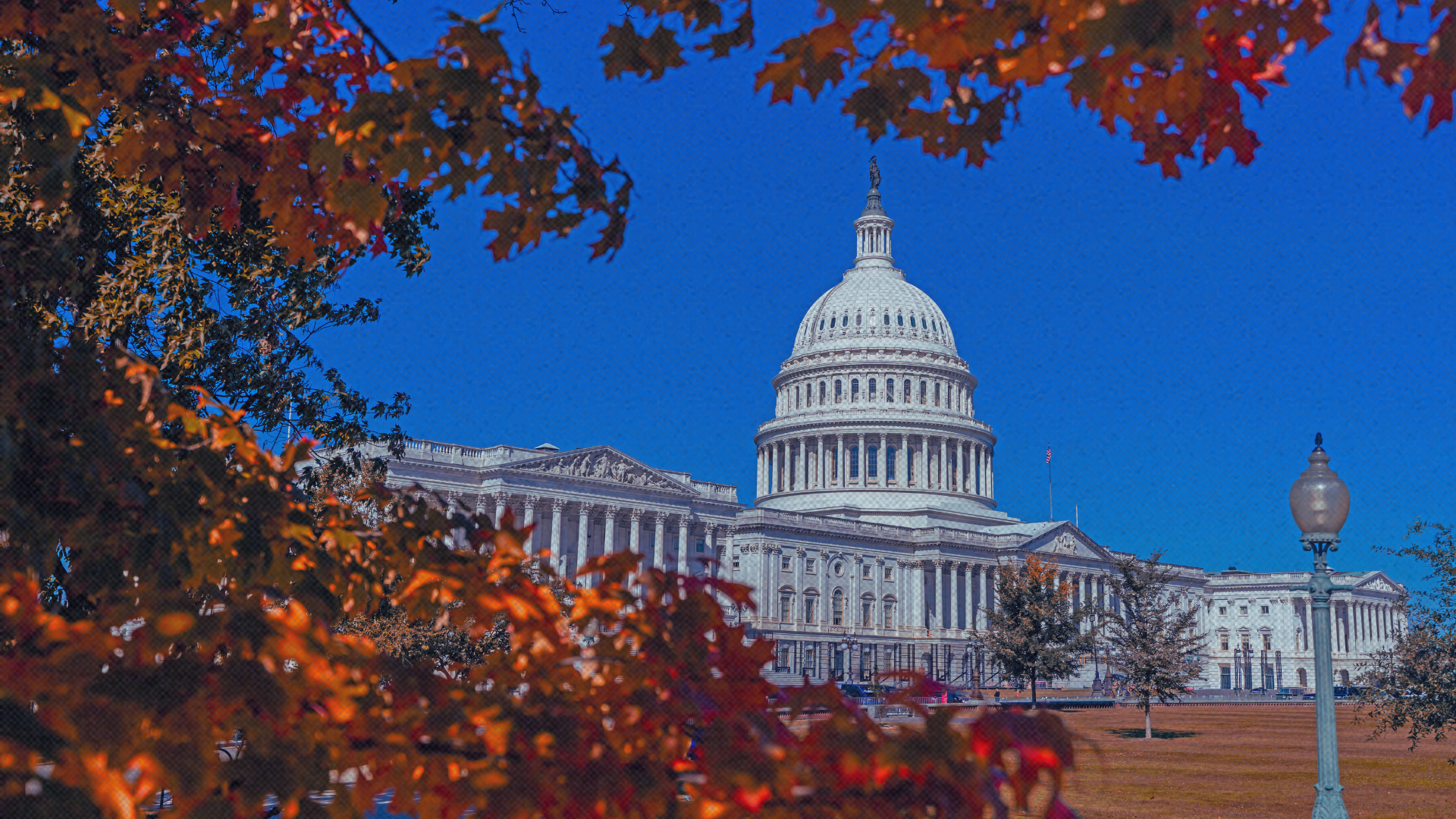
Shortly before heading into a recess ahead of the midterms elections, the Senate Environment and Public Works (EPW) and Energy and Natural Resources (ENR) Committees revealed the much-anticipated permitting legislation: Bipartisan American Affordability and Jobs Act (BAAJA). Reform has been on the table for decades, ramping up these last few years, in determined attempts to overhaul the environmental review apparatus that has mushroomed into a colossal labyrinth of bureaucratic red tape.
Permitting problems plague infrastructure activities, stymying projects both parties care about and creating affordability issues affecting all Americans. With soaring energy demands and projected growth, the status quo is not delivering. No bill is perfect, but BAAJA offers improvements lawmakers should embrace.
Even among the extensive updates, BAAJA does not dilute environmental protections; it strengthens them by clarifying standards, preserving core review requirements, and reinforcing safeguards. Agencies must still analyze environmental impacts and continue to involve the public. Consultation requirements (with tribes and/or others) are still intact. Courts have clearer authority to enforce environmental protections. Senator Shelley Moore Capito confirms BAAJA will “power our economy….while continuing to protect the land, water, and wildlife we all cherish.”
One of the bill’s strengths is a technology-neutral framework. Historically, energy infrastructure projects have faced heavy regulatory swings depending on the administration in power. By removing ideological or political bias from the permitting process the federal government cannot single out, unfairly delay, or arbitrarily revoke lawfully issued permits based on the category of the energy project. This has happened with pipelines as well as wind farms. Projects should advance on their merits, not political favorability.
By removing partialities, projects can proceed with more certainty and long-term predictability. Developers should not have to look in the rearview mirror with fear that new party control might jeopardize project completion. As builders gain confidence in an accelerated, revised, and more efficient system, investment and enterprise will return to our shores.
BAAJA addresses the growing concerns surrounding data center energy usage, infrastructure, and cost allocation by requiring them to pay the full cost of using existing transmission lines and any new infrastructure needed. It prohibits passing incremental grid upgrade or delivery costs onto residential and small-business utility customers. And it allows states to charge data centers more to lower other customers’ bills. Protecting consumers from potential cost increases gives data centers license to proceed while easing the apprehension of others who share the grid.
A critical component of BAAJA is its alignment with recent Supreme Court rulings.
The reforms track the 2025 Supreme Court Seven County decision, writing into statute that the National Environmental Protection Act (NEPA) is a procedural framework rather than a vehicle for courts to impose particular environmental outcomes. By codifying that agencies only evaluate direct effects (not hypothetical ones), the bill translates Seven County’s limits on expansive environmental review into durable legislative text. Its litigation provisions—shorter filing windows, heightened deference to agency scoping, and a default to remand without vacatur—further reinforce the decision’s core message that NEPA should not serve as a tool to delay projects.
BAAJA is a builders’ bill. Its entire framework is designed to empower those who want to build energy infrastructure. It shifts clout away from opponents and toward entities that can plan, finance, and build. BAAJA is optimized for construction, a clear departure from what has become an obstacle. A more effective process saves money, lowering costs for consumers.
By pairing clearer standards with durable guardrails, BAAJA gives developers predictable pathways while preserving meaningful environmental review. It helps restore our permitting system. In a moment of rising energy demand and mounting infrastructure strain, BAAJA offers a pragmatic path forward: a modern permitting structure that protects communities, respects the law, and finally enables the country to build at the pace its economy requires.
Kristen Walker is Senior Policy Analyst and Manager for Energy and Transportation with the American Consumer Institute, a nonprofit education and research organization. Follow ACI on X @ConsumerPal.