
Verizon recently secured the Federal Communications Commission’s (FCC) blessing to acquire Frontier Communications, an internet and telecom company that provides fiber service to 2.2 million subscribers in rural areas across the country. This acquisition is a win for consumers as it will allow Verizon to upgrade its infrastructure and provide better service. In today’s wider antitrust landscape, decision-makers should remember that mergers and acquisitions like this can lead to greater economic efficiency and consumer benefits.
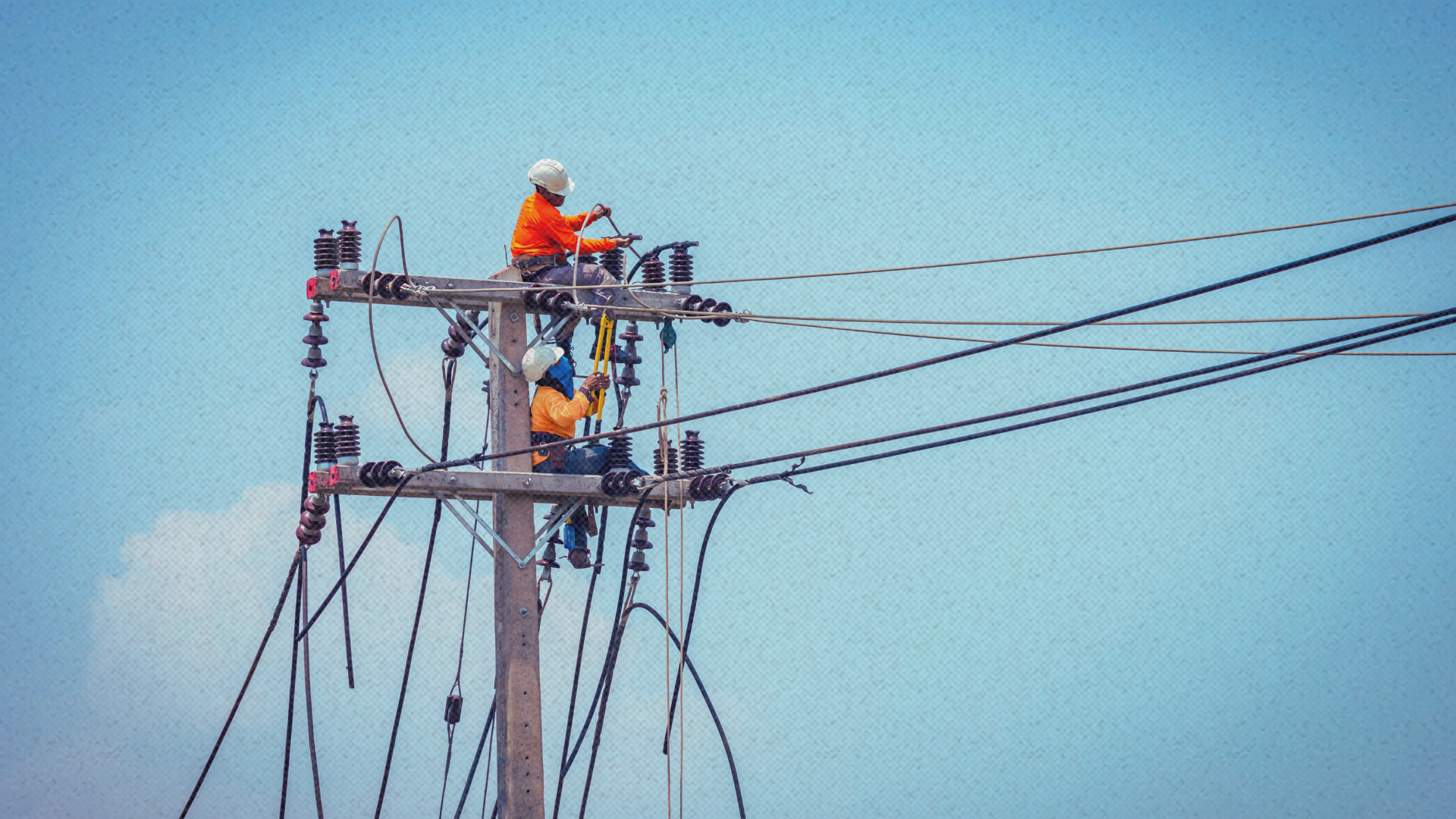
It’s no secret that Frontier Communications’ infrastructure could use some attention. While Frontier serves an impressive number of rural counties, towns like Ceylon, Minnesota deal with fiber optic cables strewn across yards and hung from trees. Although they raised plenty of concerns with their internet service provider, Ceylon was left largely unaddressed as Frontier slowly lost the capacity to fix these issues. Data shows that over the last several years, Frontier’s revenue declined, and both employees and subscribers left.
Verizon has indicated that upgrading Frontier’s infrastructure is one of its top priorities with this acquisition. According to the FCC’s official statement, Verizon seeks “to upgrade and expand Frontier’s existing network in 25 states, bringing more fiber to more communities.” Perhaps Ceylon’s residents will no longer need to step around fiber cables anymore.
Most importantly, consumers will soon enjoy better service, too. Economic research repeatedly finds that many mergers and acquisitions benefit consumers by freeing resources to innovate and compete, thus driving down costs and improving services for their customers. Specifically, American Consumer Institute research found that a similar acquisition of UScellular by T-Mobile would benefit customers by lowering prices and inducing faster speeds.
Due to problems with lower subscribership, UScellular had been losing the ability to meet its customers’ needs and was forced to take on large amounts of debt to secure the necessary spectrum to join the 5G race. With the acquisition, UScellular would be able to course correct and upgrade its network speed and performance, finally restoring service quality to match customer expectations. Additionally, with the added choice of a T-Mobile plan with no switching cost, customers could enjoy improved service with a lower-priced plan.
While the UScellular acquisition is still under review, T-Mobile has previously demonstrated that such acquisitions can generate immense consumer benefits. When T-Mobile acquired Sprint in 2020, analysis found that consumers saw download speeds increase by as much as three times, and half of T-Mobile’s connections were upgraded to 5G by 2023. The Verizon-Frontier acquisition will also yield improvements.
By allowing the Verizon-Frontier acquisition, the FCC opens the door to greater consumer benefits in upgraded infrastructure and improved service. With Frontier’s focus on fiber connectivity for rural areas and Verizon’s commitment to upgrading and expanding existing infrastructure, the acquisition demonstrates both the interest and ability of the private sector to connect unserved Americans with internet access. The kind of expanded coverage such actions unlock should be of unique interest to federal agencies. After all, every home Verizon reaches with its own resources is one less that state governments have to fund, freeing up more money to redirect towards demand-side digital divide solutions.
All-in-all, mergers and acquisitions in the telecom space have a history of improving consumer welfare—and Verizon’s acquisition of Frontier Communications is no exception. The FCC is right to allow the sale to proceed and should keep consumers’ interests at the core of future telecom competition decisions.
Nate Karren is a policy analyst with the American Consumer Institute, a nonprofit education and research organization. For more information about the Institute, follow us on X @ConsumerPal.