
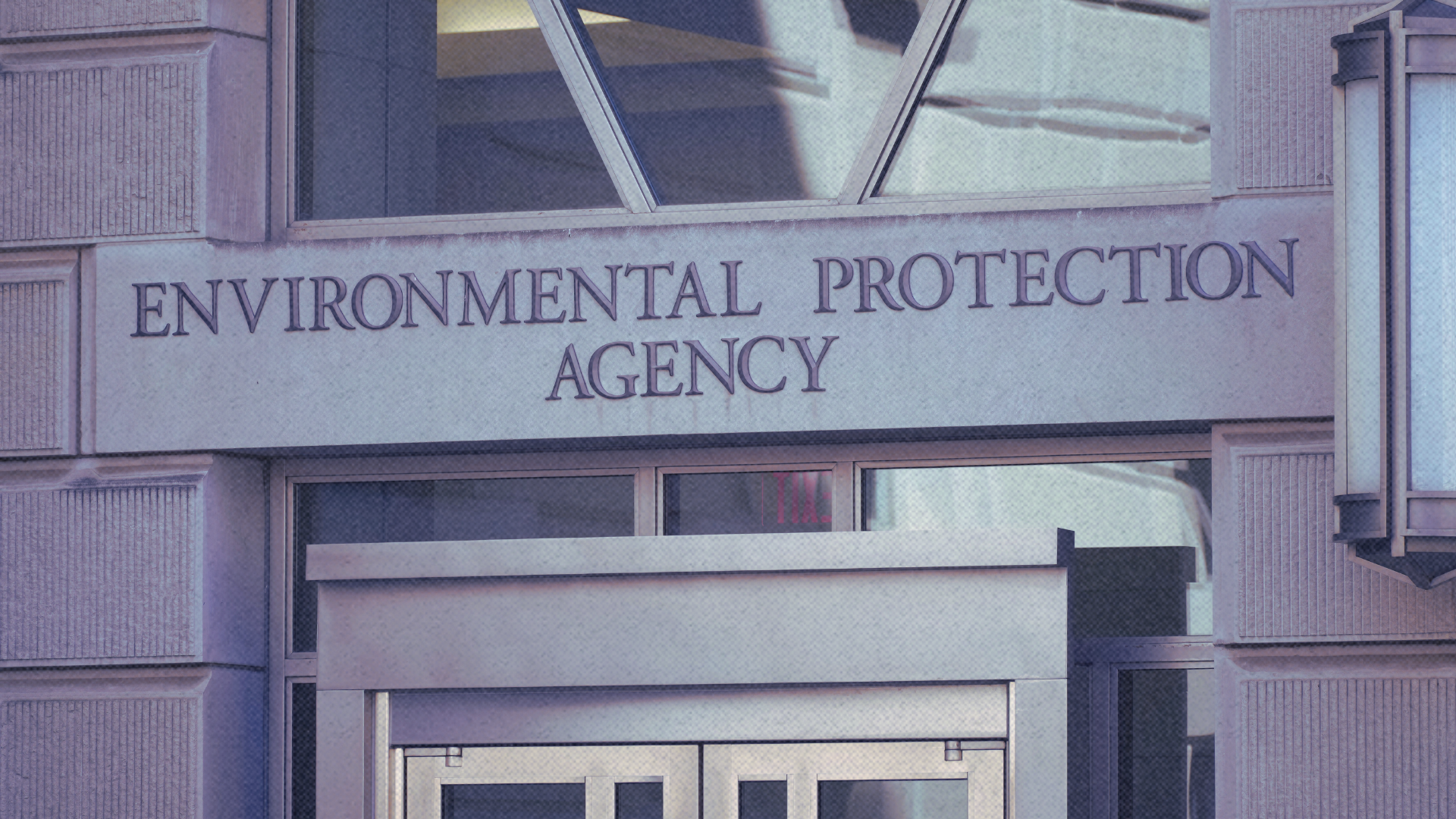
Congressional appropriations bills for 2026 are pushing the EPA to re-evaluate and potentially expand Small Refinery Exemptions (SREs) from the Renewable Fuel Standard (RFS). This maneuver comes on the heels of appellate court decisions declaring EPA’s interpretation of “disproportionate economic hardship” definition was too narrow. The EPA has been stingy on issuing SREs even though small refineries do face unreasonable RFS challenges, and consumers pay the price. EPA must revisit its SRE methodology to better accommodate refineries that are being pushed to the brink of economic ruin.
SREs allow qualifying small oil refineries (under 75,000 barrels/day capacity) to get temporary relief from the RFS requirements which mandate blending biofuels like ethanol into gasoline and diesel, by proving compliance would cause disproportionate economic hardship. Refineries that don’t blend fuels themselves must buy Renewable Identification Number (RIN) credits to meet annual volumes.
The core problem is that independent refiners must buy RINs on the open market, while integrated refiners generate them internally through blending. The RFS therefore functions as a transfer of wealth from small refiners to large competitors. When RIN prices spike, the cost hits independents directly; when prices fall, the volatility still undermines planning, investment, and hiring. And unlike integrated companies, small refiners cannot cushion the blow of instability by spreading costs across retail operations or blending infrastructure. The costs hit them directly.
EPA has long insisted that refiners can simply “pass through” RIN costs to consumers. But a Government Accountability Office 2022 study has already debunked that assumption, concluding that pass‑through is inconsistent, incomplete, and in many cases impossible for small refiners operating in constrained regional markets. The agency’s modeling is divorced from economic reality.
The D.C. Circuit’s 2024 decision in Sinclair Wyoming Refining Co. v. EPA was a turning point. The court sharply criticized EPA’s “overly restrictive” approach to SREs and vacated a series of blanket denials that ignored the real-world economics of RIN markets. The Fifth Circuit reached similar conclusions. Two federal appellate courts, across different regions and judicial philosophies, informing the EPA that it is misreading law and misjudging economics demonstrates systemic failure.
Several small refineries that have recently closed their doors indicated RFS—particularly the high price of RINs—as the reason. The denial of SREs placed them in severe economic hardship, threatening their continued operation. Fueling American Jobs Coalition, which represents independent oil refiners stated, “More independent refinery closures would cause catastrophic job losses, even higher gas prices and increase our nation’s reliance on foreign fuel.”
Independent refiners support thousands of jobs, anchor local tax bases, and provide fuel to rural and underserved markets. When these facilities terminate operations, the economic shock is immediate and severe. Fuel supply becomes more concentrated, more vulnerable to disruptions, and more expensive for consumers.
EPA has a legal and moral obligation to administer the RFS in a way that does not arbitrarily punish smaller players. It must adopt a framework that reflects real‑world economics, not outdated assumptions. It needs to recognize that RIN markets are volatile, opaque, and structurally biased toward large integrated refiners. And it must ensure that the RFS does not become a tool for picking winners and losers in the fuel market.
Independent refineries should not be made to suffer at the hands of bad economic policy. They deserve fairness and a regulatory system that does not treat their survival as collateral damage in a policy debate that too often ignores the people and communities who keep America’s fuel supply running.
Kristen Walker is Senior Policy Analyst and Manager for Energy and Transportation with the American Consumer Institute, a nonprofit education and research organization. Follow us on X @ConsumerPal.