
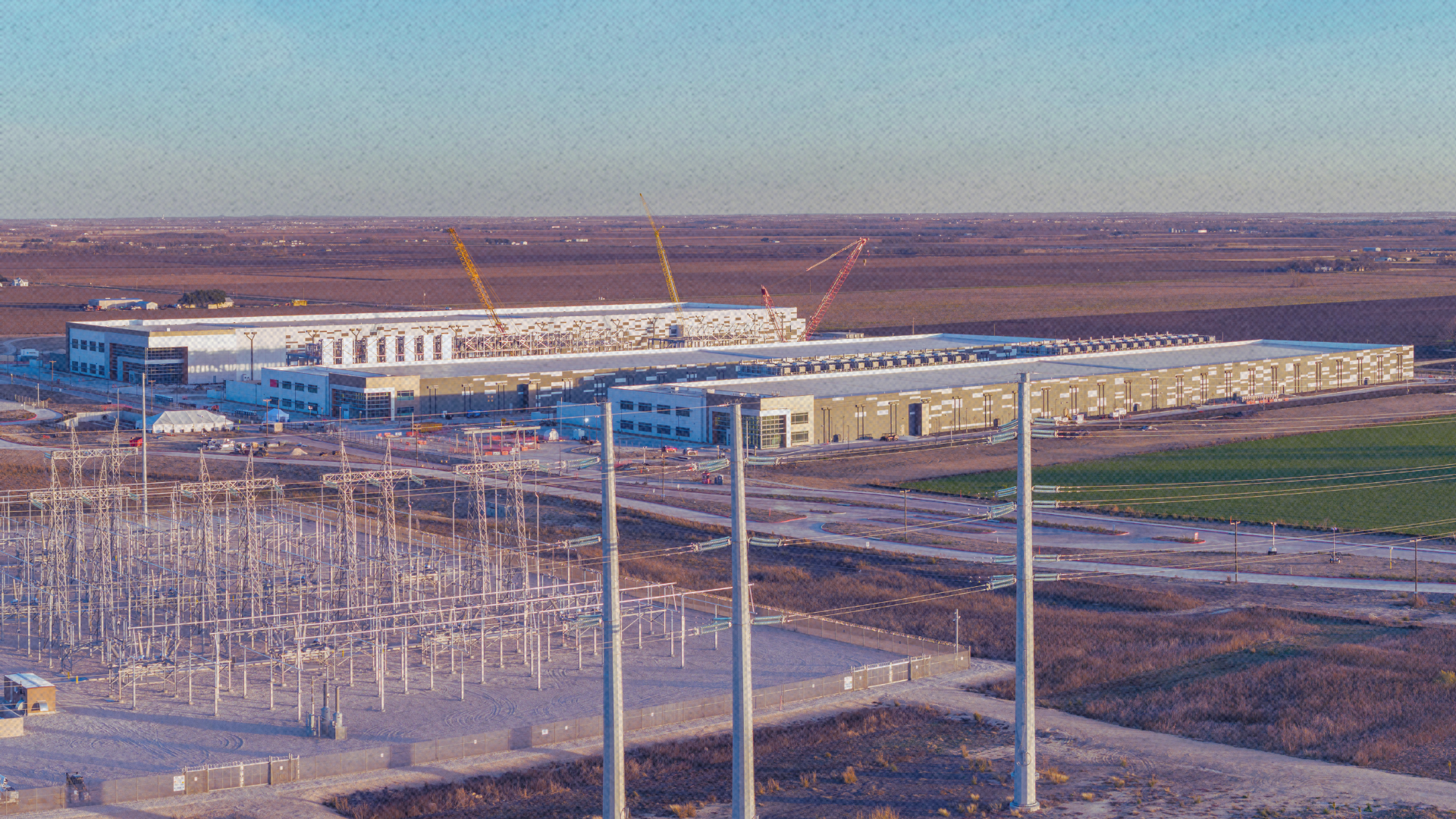
In a notable move at the State of the Union, President Trump announced, “We’re telling the major tech companies that they have the obligation to provide for their own power needs.”
Several Big Tech players incidentally will meet at the White House this week to sign an agreement to build their own electricity supply. Data centers have become the whipping boy of high electric bills; consumers believe they are paying higher rates because of these power-hungry server farms.
However, it is not that simple. Plenty of other variables factor into electricity rates, making it difficult to point the finger directly at data centers. If anything, data suggests otherwise.
Take Virginia and Texas, which lead the pack and together account for one-fourth of all U.S. data centers, at 663 and 405, respectively. According to the U.S. Energy Information Agency, the average residential electricity rate in Virginia is 15.94 cents/kilowatt hour (kWh) and Texas is 16.04 cents, both of which are below the national average of 17.24 cents/kWh.
Loudoun County, Va., — considered the Mecca of data centers — has experienced a modest rate increase recently, but Dominion Energy asserts the cost is “largely attributed to inflationary pressure, not the demand of data centers.” Labor, equipment and materials prices have increased. The county’s 14.25 cents/kWh is still well below the national average.
Kristen Walker is Senior Policy Analyst and Manager for Energy and Transportation with the American Consumer Institute, a nonprofit education and research organization. Follow ACI on X @ConsumerPal.