
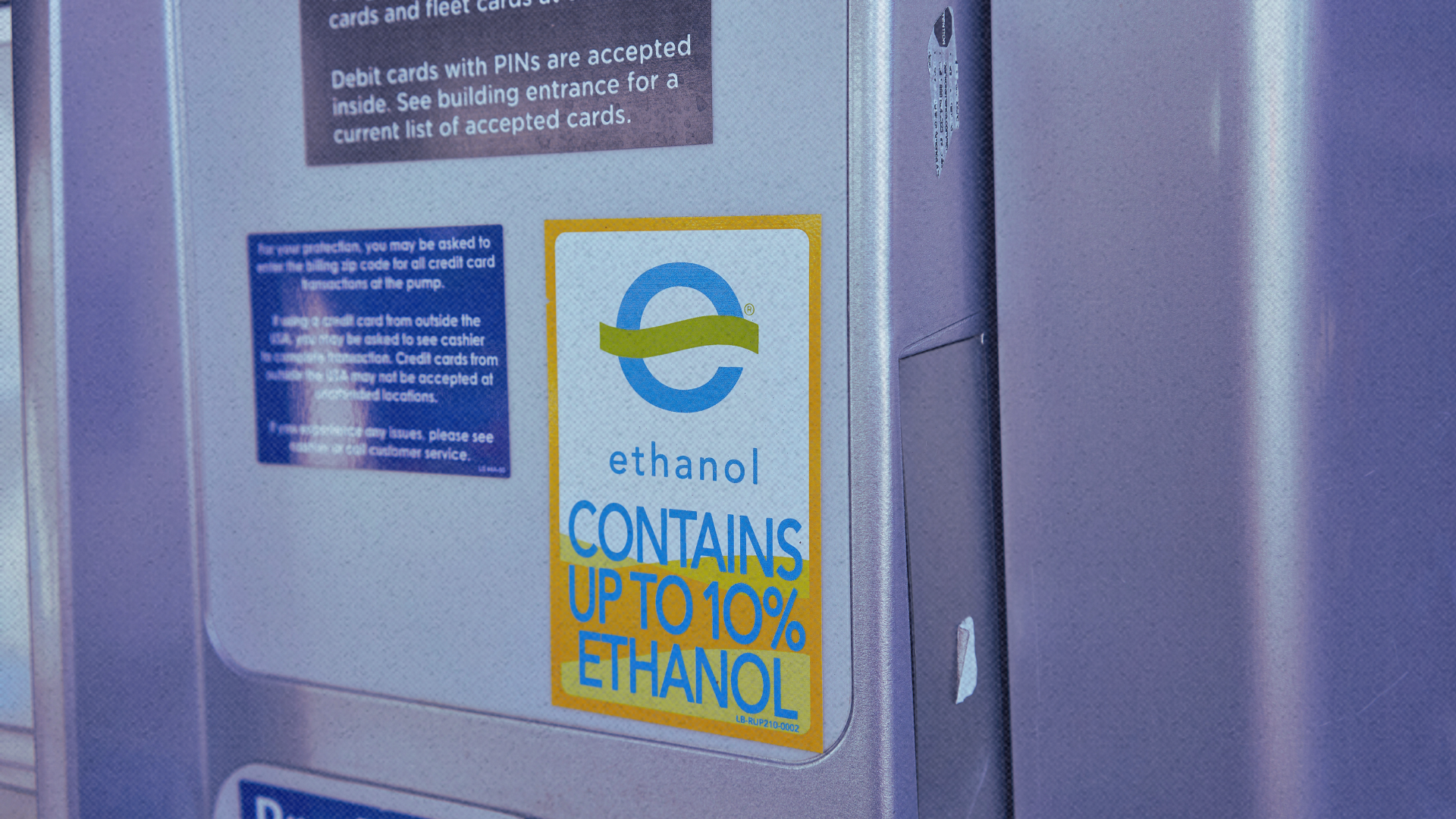
When Congress talks about affordability, Americans have every reason to pay attention. All consumers benefit from lower costs, but especially those who are already struggling to make ends meet. Unfortunately, those hoping that the recent E15—higher ethanol blend fuels—waiver will provide relief will be disappointed.
Supporters argue that allowing more sales of gasoline blended with 15 percent ethanol will reduce prices at the pump. Even if consumers occasionally see a few cents shaved off a gallon of fuel, that visible savings tells only part of the story. By focusing solely on the sticker price, policymakers ignore the far larger costs consumers have already paid before that fuel ever reaches the gas station.
Economist Frédéric Bastiat warned against this type of mistake nearly two centuries ago.
In his famous essay on the broken window fallacy, Bastiat describes a crowd watching a shopkeeper whose window has been shattered. Some observers argue that the accident is beneficial because replacing the window creates work for the window maker. The fixed window is visible. What goes unseen is what the shopkeeper would have otherwise done with that money—perhaps buying new furniture, investing in his business, or hiring another worker. Society gains nothing from replacing what was unnecessarily destroyed; resources have merely been redirected.
Tirzah Duren is the President and CEO of the American Consumer Institute, a nonprofit education and research organization. Follow Tirzah on X @tzduren