
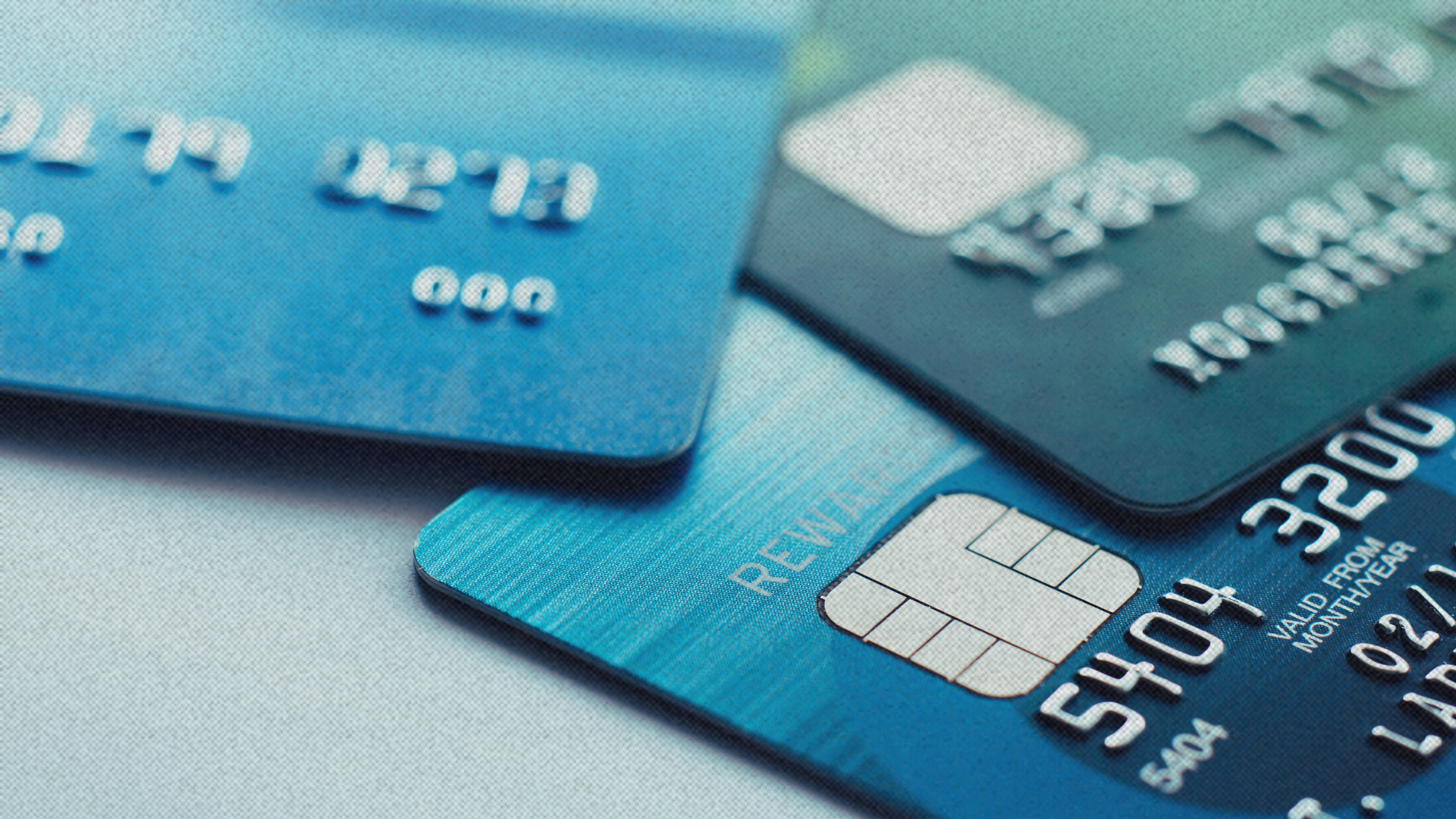
Families are gearing up for their annual school supplies shopping trip. Supporters of interchange fee regulation have seized on this tradition, arguing that such rules would boost competition and save families money better spent on lunchboxes than on hidden fees. But those savings are far from guaranteed. Consumers will likely end up paying for the proposed regulations indirectly, with no assurance that the savings merchants promise will ever actually reach their wallets.
Interchange fees, sometimes referred to as swipe fees, occur when a credit card is used at checkout. The fees vary according to the type of card and where it is used but are usually around 2 percent. While the consumer impact for regulating this fee may not be immediately apparent, as history shows, distorting the credit market results in fewer rewards.
The card issuer is often the bank listed on a consumer’s card and the entity responsible for approving the credit and moving the funds. However, the card network, which can be viewed as the payment facilitator, oversees transporting information regarding payment amount and funds availability. This is where it can get confusing because while the card may say Chase or Wells Fargo, it is running on a different network, such as Visa.
Leah Locke is a Policy Analyst with the American Consumer Institute, a nonprofit education and research organization. Follow Leah on X @leahmlocke