
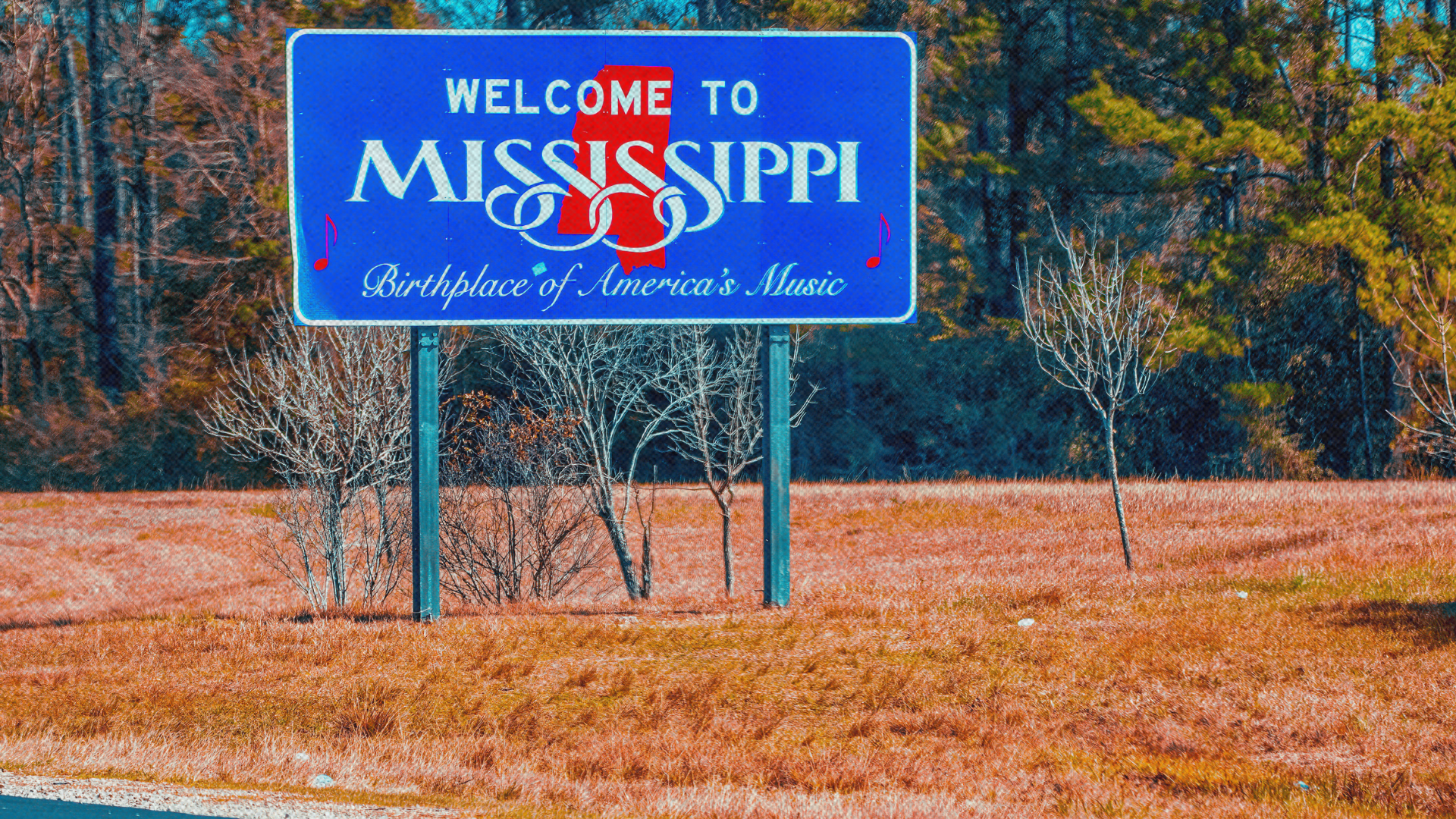
Policymakers tout year-round E15 ethanol fuel legislation as the consumer-friendly response to high prices Americans are experiencing at gas pumps across the country. But the mirage of potentially saving a few cents to fuel your car has unseen costs that ripple through the economy. E15 expansion will have negative impacts which will put America’s refineries at risk, hurt farming, further stress household budgets, and cause environmental harm. Mississippi has little to gain from the expansion and much more to lose.
E15 is a fuel blend made up of 15 percent ethanol and is generally restricted during the summer because it increases smog. Lawmakers want to make it available all year because it will supposedly ease prices. But there are many hidden costs associated with these fuel blends.
Government programs that prop up biofuels like E15 through taxpayer subsidies and distorted markets are already costing consumers in multiple ways.
The Renewable Fuel Standard (RFS), created two decades ago, federally mandates refiners to blend ethanol into the fuel supply, a compliance cost that adds 30 cents to each gallon of gas. The program is also bolstered through billions in aid such as $800 million for infrastructure projects and $53.1 billion in tax credits. Essentially, consumers are paying for ethanol mandates through taxpayer-funded subsidies and again when they fill their tanks.
Incorporating more corn ethanol into the fuel supply would further cost consumers because several industries will be adversely affected, which impact the average Mississippian.
The proposed legislation dismantles certain safeguards normally granted to small refiners which disproportionately experience economic burdens from RFS blending requirements. Stripping away small refinery exemptions (SRE) amid higher E15 demand increases costs due to the volatility and unpredictability in the credit prices which must be purchased for compliance. Several refineries have already had to shut their doors largely due to RFS; further hardship could lead to additional closures.
Fewer operating facilities have repercussions. Less refining capacity means less fuel supply, which translates to higher prices at the pump, particularly in rural communities with limited alternative suppliers. Making gasoline more expensive to produce negates the affordability talking point of E15 expansion.
Very few Mississippi residents will even have the opportunity to purchase E15: Only four out of the 2,672 gas stations in the state sell it. Regardless, using E15 gas has drawbacks. Pure ethanol contains 33 percent less energy content than pure gasoline, causing vehicles to lose fuel economy. E10 already reduces miles per gallon by three or four percent; E15 reduces it by another one to two percent. So-called cost savings are potentially zeroed out. Moreover, several automakers actually advise against putting E15 in their cars due to its corrosive nature.
Motorists aren’t the only losing party. This measure would also hurt the soybean industry, the second-largest agricultural product in Mississippi (behind chickens) and valued at approximately $1.6 billion a year. Farmers could face economic headwinds.
Higher corn demand and prices incentivize farmers to plant more corn, reducing soybean acreage and further pressuring soybean markets. According to the Food and Agriculture Policy Research Institute’s (FAPRI) latest report, small gains in corn prices from year-round E15 gasoline nationwide are more than offset by decreases in soybean prices. Overall net farm income is reduced for soybean farmers. The Congressional Budget Office predicts potential soybean losses could also mean farmers receive $2.3 billion in federal agricultural support payments over the next ten years.
Mississippians will encounter other costs associated with farming adjustments that hit household budgets in other ways and damage the environment.
Redirecting more corn into the fuel supply leaves less for food and livestock feed, escalating costs which work their way into basic food products and animal agriculture. Groceries suddenly become more expensive. Still reeling from the effects of recent inflationary shocks, higher food costs will put further financial strain on families.
And despite assurances of emissions reductions and other environmental benefits, biofuels have “caused environmental degradation greater than the fossil fuels they were purported to replace.” Deforestation, water contamination, and air pollution have resulted because of an upsurge in corn cultivation and production. Higher ethanol content in gasoline will only amplify these negative impacts.
Year-round E15 may sound consumer friendly, but the evidence shows it would impose broad economic, agricultural, and environmental costs while offering almost no meaningful benefit. Mississippians should not be saddled with the costs associated with E15 expansion, especially since they can barely access it.
Kristen Walker is Senior Policy Analyst and Manager for Energy and Transportation with the American Consumer Institute, a nonprofit education and research organization. For more information about the Institute, visit www.theamericanconsumer.org or follow us on X @ConsumerPal