
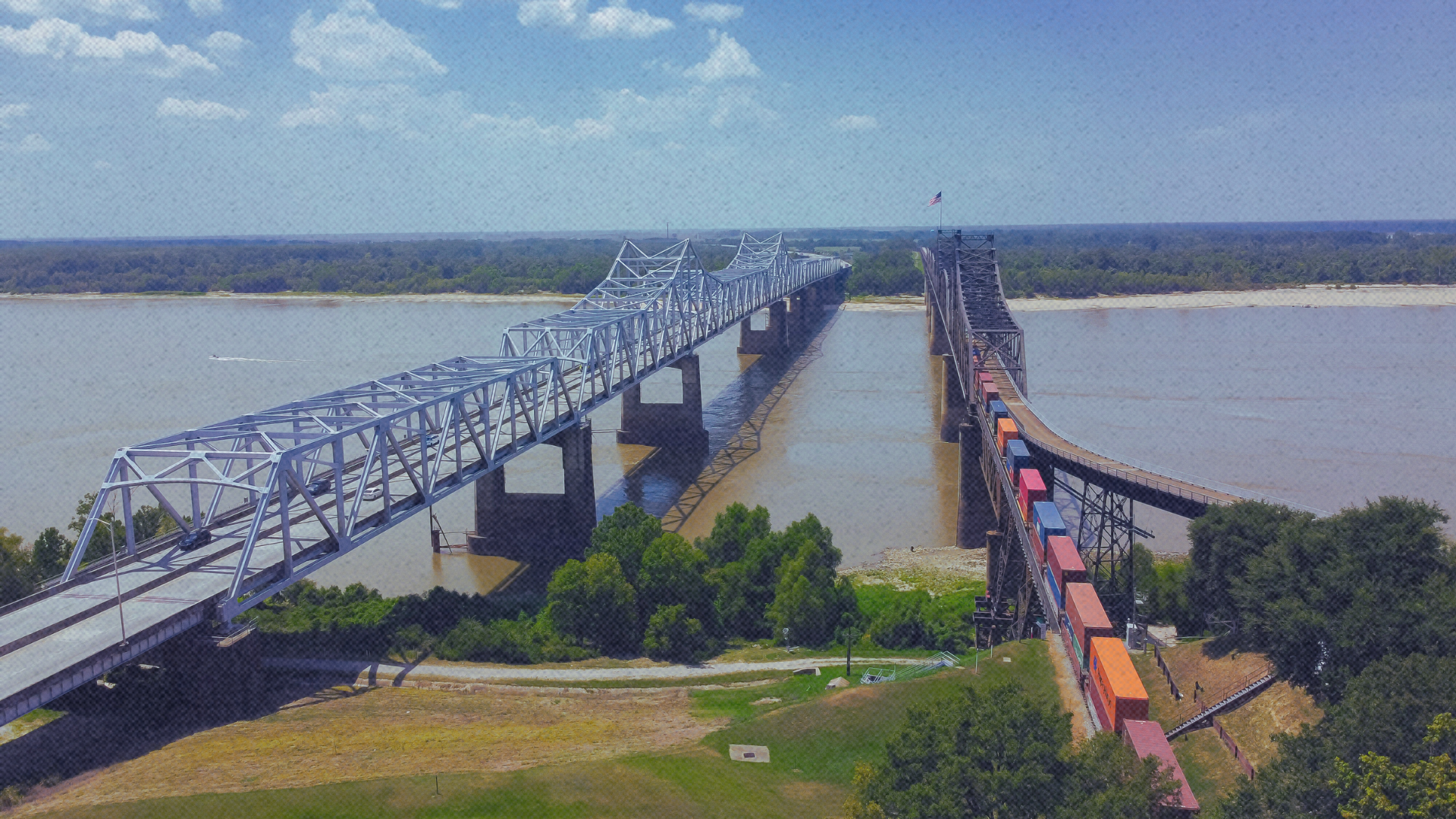
The potential merger between Union Pacific (UP) and Norfolk Southern (NS) railroads would streamline supply chains and improve affordability on thousands of products. Eliminating major structural inefficiencies in the current rail network would reduce delays, cut inventory costs, and make rail more competitive with trucking, ultimately translating into lower logistics costs and improved affordability for consumers.
Today, long‑haul freight moving from coast to coast must be handed off between railroads at inland junctions. Each interchange introduces idle time in yards, crew changes, paperwork and scheduling delays, and additional handling of cars and containers. A single‑line transcontinental railroad would remove many of these chokepoints.
The greatest efficiency gain involves a reduction in supply-chain travel distances. UP and NS estimate eliminating 2,400 wagon and container handling operations and 96,000 wagon‑km per day, which is equivalent to nearly 60,000 miles. Faster transit times could shave days off freight shipments.
Decreased travel times will scale down inventory carrying costs, which are estimated at 25 percent of a good’s value. Trimming business expenses for storage and warehousing, labor, insurance, taxes, and depreciation will save money. Those savings likely cascade downstream for consumers, lowering prices on thousands of household products.
Rail customers will also benefit from “a unified digital experience,” enabling them to integrate scheduling, tracking, and shipment visibility. UP and NS note that “customers will have one commercial team, one contract, one invoice and one accountable partner for their entire rail journey,” further enhancing efficiency and lowering costs by reducing administrative overhead and improving supply chain planning accuracy.
The merged railroad projects that two million truckloads will be diverted per year from highways to rail, further saving on costs. A recent study by the Association of American Railroads determined that railroads can move one ton of freight 480-500 miles per gallon, approximately three to four times more efficiently than trucks.
Rail is additionally more resilient against inflation. The same study finds that a 10 percent acceleration in trucking cost growth correlates with a 2.3 percent rise in goods inflation, while equivalent rail cost increases produce just 0.7 percent inflation impact, or three times lower. Trucking cost shocks hit consumer prices rapidly and persist; rail cost changes remain smaller, slower, and fade more quickly. If rail does capture more long‑haul freight, shippers could see lower and more stable transportation costs. Freight rail’s mitigation against inflation keeps goods moving and costs predictable, even during turbulent times.
The study estimates that a 20 percent shift of long-haul heavy-truck freight to rail could save up to $13 billion annually in fuel and $11 billion in reduced congestion and highway damage. These savings ultimately trickle down to shippers, taxpayers, and consumers.
Not only will the merger lower prices on thousands of consumer goods but it will benefit the electric grid through increased shipment reliability for coal.
Coal producers depend heavily on rail, which transports roughly 70 percent of the coal used by American power plants. More efficient delivery will ease electric grid strains expected as data centers, artificial intelligence, and domestic manufacturing create increased demand. America’s Power, a national trade association for coal-fired plants and their related supply chains, asserts that rail transportation of coal is a “crucial link” for maintaining affordable and reliable electricity.
A unified UP and NS network could deliver immense benefits far beyond the rail sector itself, lowering costs on countless consumer products. By removing structural bottlenecks, cutting transit times, lowering inventory and fuel costs, and stabilizing freight-related inflation pressures, the merger has the potential to strengthen the entire supply chain from producer to end-consumer. The added reliability for coal shipments would further support an electric grid facing unprecedented demand growth.
A single-line transcontinental railroad could become a powerful engine of affordability, efficiency, and economic resilience at a time when the country needs all three.
Kristen Walker is Senior Policy Analyst and Manager for Energy and Transportation with the American Consumer Institute, a nonprofit education and research organization. Follow us on X @ConsumerPal.