
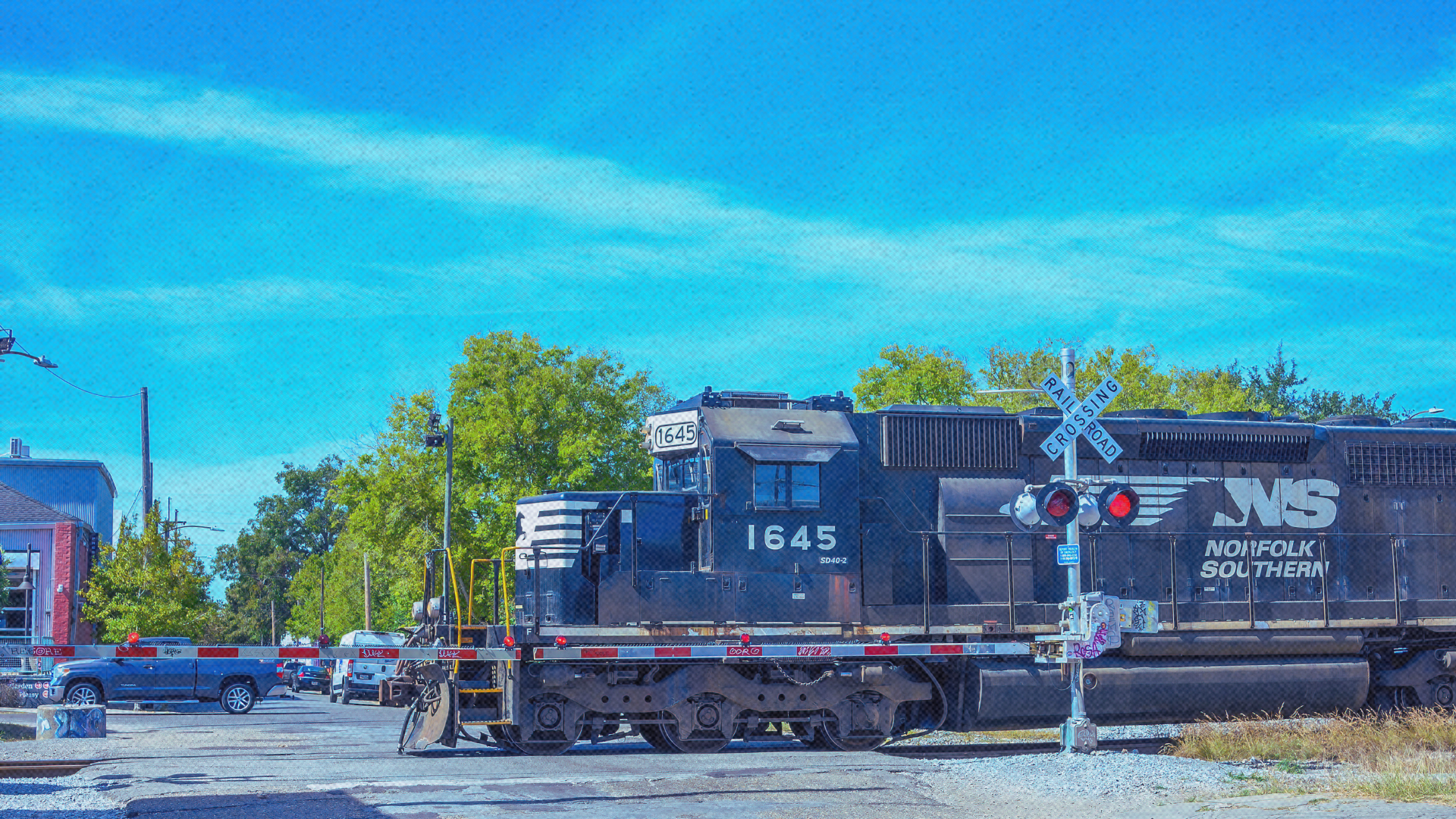
The proposed merger between Union Pacific and Norfolk Southern would create the first coast-to-coast freight railroad in the U.S., connecting more than 50,000 route miles across 43 states, with benefits reaching well beyond the shipping industry. The Surface Transportation Board recently accepted the companies’ merger application, advancing the proposal toward formal review. This news is a welcome sign to consumers, as streamlining supply chains can work to balance consumer costs.
Research from the rail industry argues that freight rail functions as a stabilizer for consumer prices. Rail absorbs cost pressures more gradually than other freight modes, meaning price shocks are both slower to reach consumers and smaller in magnitude. Improved rail connectivity through the merger further strengthens that buffer.
Earlier this year, research from the American Consumer Institute (ACI) explained potential consumer benefits stemming from reducing structural inefficiencies and improved speed that would improve logistic and ideally pass on savings to consumers.
When regional networks are seamlessly connected, shippers gain access to more reliable and cost-competitive service options. That creates lower inventory costs, more predictable delivery schedules, and fewer disruptions that impact supply chains. Retailers and manufacturers that can count on freight arriving on time carry less safety stock, allowing savings to flow downstream to consumers.
In addition to consumer savings, the merger holds the potential for additional infrastructure investment without burdening consumers indirectly through taxes. From 1980 through 2024, U.S. freight railroads reinvested approximately $840 billion of their own capital into maintaining and modernizing their networks without public subsidies. Norfolk Southern completed over $1 billion in infrastructure improvements across its 22-state network in 2024. That same year, Union Pacific committed $3.4 billion in capital investments, with nearly $2 billion directed toward upgrading track, infrastructure, and equipment. If the merger goes through, the combined company plans to invest an additional $2 billion of incremental capital in capacity improvements and technology integration. Private investments modernize freight infrastructure, giving consumers the benefits of a more efficient system without a corresponding public cost.
For American households, a rail network capable of moving goods faster, at lower cost, and with less vulnerability to disruption keeps prices affordable and America moving. That is ultimately what consumers need from their transportation system and supply chain.
Tirzah Duren is the President and CEO of the American Consumer Institute, a nonprofit education and research organization. Follow Tirzah on X @tzduren.